
Quick Overview
- The Core Challenge: Uncontrolled indoor humidity damages building structures, degrades indoor air quality (IAQ), and creates massive operational energy penalties.
- The Balancing Act: High-capacity dehumidification systems protect structural integrity and human health, but traditional systems consume substantial power.
- Modern Solutions: Utilizing heat recovery, variable-speed drives, and precise controls allows commercial facilities and indoor pool environments to manage moisture efficiently.
- Long-Term Savings: Routine specialized maintenance prevents system efficiency loss, lowers monthly utility bills, and extends equipment lifespan.

What Is Energy-Efficient Humidity Control?
Energy-efficient humidity control is the process of managing moisture levels within a building using technologies and operational strategies designed to minimize energy consumption. Relative humidity (RH) directly affects thermal comfort, indoor air quality, and the integrity of building materials. When RH climbs too high (above 60%), it creates an ideal environment for mold growth, dust mites, and microbial proliferation. Conversely, when air is too dry (below 30%), it causes respiratory discomfort and static electricity.
Traditional dehumidification methods rely heavily on mechanical cooling to condense moisture out of the air, followed by reheat cycles to restore air temperature. This process is inherently energy-intensive. Modern energy-efficient systems optimize this workflow by incorporating heat recovery loops, smart sensor networks, and advanced refrigeration circuits to strip moisture without wasting excess energy.
Why Is Balancing Indoor Air Quality and Operating Costs So Difficult?
Achieving optimal indoor air quality (IAQ) requires continuous air movement, filtration, and moisture extraction. However, each of these processes consumes electrical energy, creating a fundamental tension between healthy indoor conditions and operational budgets.
When building managers attempt to lower energy costs by cutting back on ventilation or dehumidification system runtimes, moisture builds up quickly. This leads to structural condensation, lingering odors, and potential health hazards. Conversely, over-conditioning space to ensure pristine air quality without energy recovery systems leads to surging utility bills. The key to resolving this dilemma lies in applying high-efficiency equipment tailored to specific moisture loads.
How Do Dehumidification Systems Control Humidity Efficiently?
Modern commercial dehumidifiers employ several key innovations to reduce overall power draw while maintaining precise moisture levels:
1. Hot Gas Reheat
In standard air conditioning, heat removed during the cooling process is rejected outdoors through an air-cooled condenser. Energy-efficient dehumidifiers redirect this waste heat back into the air stream via a hot gas reheat coil. This warms the dehumidified air to a comfortable temperature without requiring auxiliary electric or gas heating elements.
2. Variable-Speed Compressors and Fans
Traditional single-stage equipment operates on a binary on/off cycle, drawing peak electrical current every time it engages. Variable-speed technologies modulate fan and compressor speeds to match real-time latent loads. By running continuously at lower, optimized speeds, the unit consumes significantly less power while delivering steady humidity levels.
3. Exhaust Air Heat Recovery
In high-moisture commercial environments, fresh air must be introduced continuously to satisfy ventilation codes. Advanced heat recovery ventilators (HRVs) transfer thermal energy from outgoing exhaust air to incoming fresh air, pre-conditioning it before it reaches the primary cooling and dehumidification coils.

What Special Humidity Control Challenges Do Indoor Pools Present?
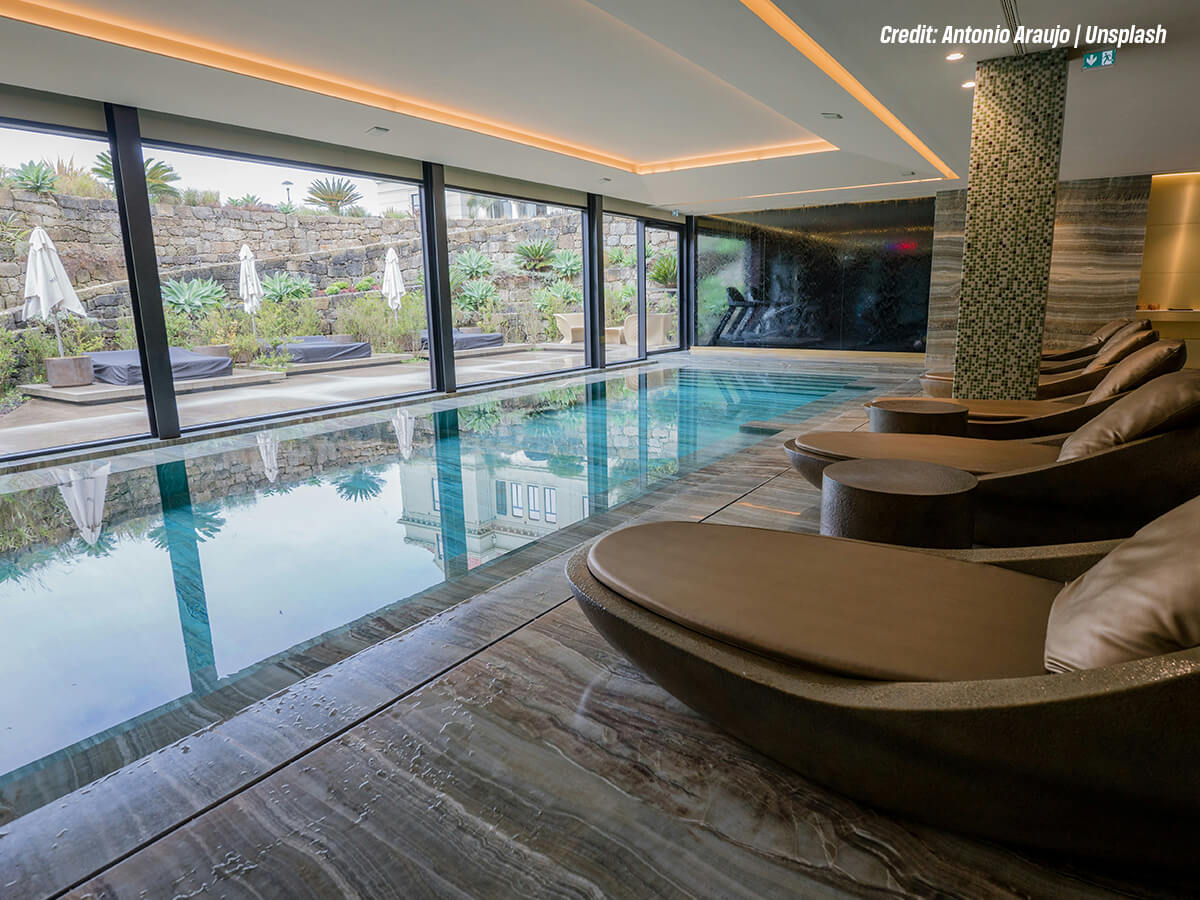
Indoor pool enclosures represent one of the most demanding HVAC environments in modern building management. Evaporation from the pool surface introduces massive volumes of water vapor into the air every hour. Furthermore, the air contains chemical vapors (such as chloramines) that are highly corrosive to unprotected metals and building infrastructure.
Standard commercial HVAC equipment cannot handle these conditions. Specialized pool dehumidification systems are built with coated coils, heavy-duty enclosures, and specialized heat exchangers designed to recover heat from the dehumidification process and transfer it directly back into the pool water.
Maintaining these specialized units requires expert intervention. Utilizing an experienced indoor pool Dectron service provider ensures that heat recovery circuits, refrigerant charges, and outdoor fluid coolers function at peak thermodynamic efficiency, keeping energy consumption contained while protecting the building structure from rot and corrosion.
Why Is Regular Service Vital for Specialized Dehumidification Units?
Even the most advanced energy-efficient system will lose performance over time if components accumulate dirt, experience refrigerant leaks, or suffer sensor calibration drift. A minor drop in airflow or a dirty heat exchanger coil can force a compressor to run up to 30% longer to extract the same volume of moisture.
For high-performance systems like Seresco units, tailored preventive maintenance is essential. Schedule professional Seresco dehumidifier service to address critical components before minor inefficiencies compound into major energy drains or catastrophic equipment failures:
- Coil Cleaning: Removing dust, scale, and chemical deposits ensures optimal heat transfer.
- Refrigerant Optimization: Ensuring precise refrigerant charge levels prevents compressor strain.
- Sensor Calibration: Calibrating enthalpy and relative humidity sensors stops equipment short-cycling.
- Belt & Blower Inspections: Maintaining proper fan tension ensures design airflow across cooling coils.
How Can Building Owners Reduce Operating Costs Today?
Building owners and facility managers can take concrete steps immediately to optimize moisture control and cut energy costs:
- Audit Current Relative Humidity Targets: Verify that indoor RH targets are set between 40% and 50% for standard spaces, and between 50% and 60% for indoor pool environments.
- Implement Smart Control Protocols: Link dehumidifiers to centralized Building Automation Systems (BAS) to adjust setpoints based on occupancy patterns and outdoor weather conditions.
- Establish a Preventive Maintenance Schedule: Partner with qualified HVAC/R specialists who understand specialized latent-load management systems.
Need Expert Dehumidification & HVAC Support?
Whether managing a commercial facility, an indoor aquatic center, or specialized industrial space, King Air provides complete service, repair, and maintenance for complex humidity control systems.
- Phone: 905-939-0777
- Email: kingrefrigeration@gmail.com
Reach out to the King Air team today to schedule an inspection and keep your systems operating at peak energy efficiency!