
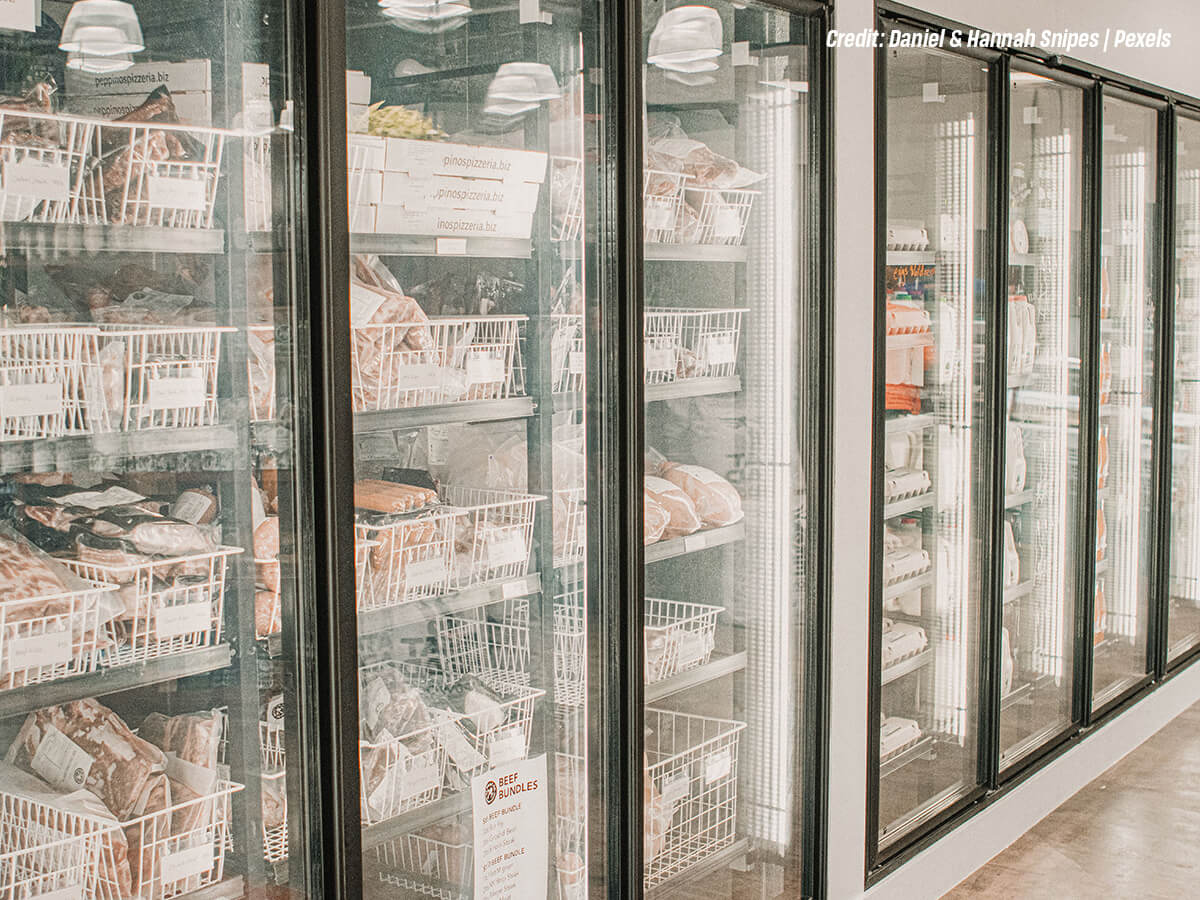
A commercial freezer that is running inefficiently doesn’t just put your valuable stock at risk. Your profit margins might even silently drain through skyrocketing energy bills and premature wear and tear on expensive components.
To protect your bottom line, extending the lifespan of your equipment and ensuring optimal performance requires more than repairs when crisis hits. You will need a proactive, seasonal approach to maintenance.
Below is a comprehensive seasonal checklist to help you determine if your commercial freezer is running efficiently, along with actionable steps to keep it in peak condition all year round.
What Is the True Cost of Refrigeration Inefficiency?
What exactly is at stake when a commercial freezer loses efficiency? Refrigeration often accounts for up to 50% of the total energy consumed by a commercial food service or retail business. When a freezer is poorly maintained, it has to work significantly harder to maintain its set temperature.
Dirty coils, failing gaskets, or suboptimal ambient conditions can easily cause a commercial freezer to consume 15% to 30% more electricity. Over the course of a year, this invisible drain can add thousands of dollars to your operational costs. Furthermore, overworked compressors run hotter and longer, rapidly accelerating their degradation. A compressor replacement is one of the most expensive repairs a business can face, often costing nearly as much as a brand-new unit.
By implementing a seasonal maintenance routine, you optimize energy consumption, safeguard your inventory, and delay capital expenditures on replacement equipment.
Refrigeration Maintenance: Spring & Summer Checklist
As the weather warms up, ambient temperatures in kitchens, backrooms, and warehouses inevitably rise. This is the time of year when commercial freezers are pushed to their absolute limits. If your equipment enters the summer season in a compromised state, breakdowns are highly likely.
1. Deep Clean Condenser and Evaporator Coils
The condenser coil, typically located on the exterior of the unit, is responsible for releasing the heat absorbed from the inside of the freezer. Dust, grease, and debris act as an insulating blanket on these coils, trapping the heat and forcing the compressor to run continuously.
- Action: Disconnect the power and use a stiff bristle brush and a commercial-grade coil cleaner to remove all accumulated grime. Ensure that the surrounding area is swept clean to prevent dust from being immediately sucked back into the fins.
2. Inspect and Clean Door Gaskets
Door gaskets (the rubber seals around the edge of the doors) are your primary defence against warm air infiltration. In busy commercial environments, these gaskets take a beating. Even a microscopic tear or a loose seal will allow cold air to escape and warm, humid summer air to enter, causing excessive frost buildup on the evaporator coils.
- Action: Perform the “dollar bill test.” Close the freezer door on a dollar bill. If you can pull the bill out with zero resistance, the gasket is failing and needs to be replaced. Additionally, clean the gaskets weekly with warm, soapy water to prevent sticky residue from tearing the rubber.
3. Check Ambient Clearances
During summer, proper airflow around the exterior of the freezer is non-negotiable. Boxes, inventory, and debris are frequently stacked on top of or too close to the refrigeration units, suffocating the exhaust fans.
- Action: Ensure there is a minimum of six inches of clearance on all sides of the unit (or as specified by the manufacturer). Move any heat-producing appliances away from the freezer to prevent the ambient temperature from rising unnecessarily.

4. Schedule Professional Maintenance
While daily wipe-downs and visual inspections can be handled by staff, summer preparations require technical expertise. Entering the busiest season of the year is the ideal time to invest in comprehensive commercial refrigeration services to verify refrigerant charge levels, test electrical connections, and calibrate thermostats.
Fall & Winter Checklist: Preparing for Deep Freezes & Dry Air
You might assume that cold weather gives your commercial freezer a break, but winter brings its own unique set of challenges. Drastic drops in outdoor temperatures can affect the performance of rooftop condensers, while the activation of indoor commercial heating systems fundamentally changes the humidity levels and ambient temperatures inside your facility.
1. Monitor Defrost Cycles and Heaters
Excessive frost acts as an insulator on your evaporator coils, severely restricting the system’s ability to absorb heat. Commercial freezers rely on automatic defrost cycles (utilizing electric heaters or hot gas) to melt this frost away periodically.
- Action: Manually trigger a defrost cycle to ensure the heaters are turning on and the timer is functioning correctly. Check the drain pan and the drain line to ensure the melted ice flows freely out of the unit. A clogged drain line in the winter will quickly freeze, causing water to back up and turn into a solid block of ice inside the freezer.
2. Calibrate Thermostats and Thermometers
Temperature requirements can fluctuate based on inventory changes or seasonal menus. Additionally, mechanical thermostats can drift out of calibration over time.
- Action: Use a secondary, calibrated digital thermometer to verify the internal temperature of the freezer against the unit’s built-in display. Adjust the settings to ensure the freezer is maintaining a consistent -18°C (0°F) or colder, as required for food safety.
3. Address Facility-Wide Climate and Humidity Control
In large-scale commercial facilities—such as hotels, athletic clubs, or specialized food processing plants—refrigeration efficiency is deeply intertwined with overall indoor air quality and humidity management. During the winter, heating systems dry out the air, but specific zones (like indoor pools or manufacturing floors) can still produce immense moisture. When this highly humid air drifts into kitchen spaces, it forces commercial freezers into overdrive, causing rapid icing and stressing the defrost systems.
Properly managing this ambient moisture is critical for the longevity of your refrigeration equipment. If your facility utilizes complex environmental controls to manage this moisture, you must ensure they are operating at peak capacity.
Partnering with a specialized Seresco dehumidifier service ensures that heavy moisture loads are managed at the source, preventing humid air from taxing your freezers.
Similarly, if your building relies on legacy indoor pool dehumidification systems, calling in an experienced Dectron repair technician can resolve ambient humidity issues before they cause costly secondary damage to your kitchen’s refrigeration infrastructure.
Year-Round Operational Best Practices
Beyond seasonal tune-ups, maintaining the efficiency of your commercial freezer requires continuous, year-round vigilance. The way your staff interacts with the equipment on a daily basis has a profound impact on its energy consumption and lifespan.
Implement a Strict “Door Closed” Policy
Every time a freezer door is opened, cold air spills out and warm air rushes in. The longer the door is propped open during deliveries or inventory checks, the harder the compressor has to work to recover the lost temperature.
- Action: Train your staff to know exactly what they are looking for before they open the door. For walk-in freezers, install strip curtains (strip doors) to act as a secondary thermal barrier when the main insulated door is open.
Optimize Internal Storage and Airflow
A commercial freezer is not a magic box that instantly freezes everything inside it; it relies on the continuous circulation of cold air to maintain temperatures. Overstuffing the freezer blocks the evaporator fans and prevents cold air from reaching all areas of the cabinet, leading to warm spots and spoiled food.
- Action: Never block the fan grilles. Store products in slotted racks rather than solid shelves to promote air circulation. Maintain a few inches of space between the walls of the freezer and your inventory to ensure cold air can flow unobstructed.

Maintain Accurate Temperature Logs
While modern refrigeration systems are highly reliable, mechanical failures can happen at any time. Catching a gradual rise in temperature early can mean the difference between a simple service call and losing thousands of dollars in spoiled inventory.
- Action: Have staff log the freezer temperature manually at least twice a day—once in the morning and once at closing. Consistent logging will help you establish a baseline and quickly identify when the unit is beginning to struggle, allowing you to schedule proactive repairs.
Why Professional Intervention Is Non-Negotiable
While the checklist above provides a solid foundation for routine maintenance, a commercial freezer is a highly complex piece of thermodynamic machinery. It involves pressurized refrigerant gases, high-voltage electrical components, and intricate mechanical systems.
Tasks such as checking for microscopic refrigerant leaks, measuring the electrical draw (amperage) of the compressor, replacing worn contactors, or flushing heavily clogged condensate lines require specialized tools and certifications.
In Canada, the handling of refrigerants is strictly regulated for environmental reasons, meaning that any task involving the refrigerant circuit must be performed by a licensed professional.
Furthermore, attempting DIY repairs on commercial refrigeration equipment can instantly void the manufacturer’s warranty, leaving your business entirely liable for future replacement costs. Routine professional maintenance not only guarantees that your equipment runs efficiently but also provides you with documentation of care, which is vital for warranty claims and health department inspections.
Protect Your Investment Today
Don’t wait until the middle of a busy dinner service or a humid summer heatwave to find out that your freezer is failing. Proactive care is always more cost-effective than emergency damage control.
Keep your commercial refrigeration systems running flawlessly all year round with expert maintenance and repair.
Contact King Air today at 905-939-0777 or email us at kingrefrigeration@gmail.com to schedule your comprehensive seasonal maintenance service.